


When I was in grad school, one of the highlights of my week was when the Orlando Sentinel‘s Sunday edition, as thick and heavy as a phone book, landed with a thud on my doormat. I didn’t yet live in Orlando and had no idea that I one day would. The Sentinel was just the closest large metro daily. I was about 100 miles to the north in Gainesville, training to become a journalist.
My Sunday subscription was part of my budding identity as a journalist. Each week, I savored the pages, sometimes bringing sections to campus so I could catch up on stories between lectures. The ink stained my fingers, and the feeling of being connected to the larger world imprinted on my soul.

It just so happens that it was the Sentinel that offered me a job a couple of years later as I was wrapping up my work on my master’s degree.
I started out on the copy desk, fact-checking and line editing articles at night for the next morning’s print edition. Sometimes I even helped literally cut and paste articles to prep them for the printing press, which back then was still housed in the same set of buildings as our newsroom.
This cavernous room was filled with a deafening roar as newspapers were being printed. Part of my job was to grab one of the first few papers off the conveyer belt to make sure at least the biggest headlines were spelled correctly and there were no “DEWEY DEFEATS TRUMAN” style blunders.
A few years later, I decided to put my hand up and volunteer to be one of the first members of what used to be called the “web team” of my next employer, the Palm Beach Post. Our tiny team operated out of a closet-sized room like software nerds building a start-up out of a garage. We alternated between tapping out HTML coding by hand and begging curmudgeonly print reporters to allow us to post their articles online a day before their print runs.
I loved the work, and found that my natural proclivity toward teaching, which I’d done in grad school, also translated to the newsroom. I became a peer trainer as more and more my colleagues were eager to learn (and others were nudged to adapt to) “the web side.”
Later, I helped build some of the earliest newsroom systems and procedures to leverage social media algorithms and search traffic.

For many years, the pace and innovation of working in digital news in the burgeoning social media era felt exhilarating. But by around 2010, the work had become so fast-paced, that I began to notice there was less and less time for pausing and thinking deeply about what we were doing as an industry.
To give one example, our news operation (and many others) relied heavily on the pageviews generated by arrest mug shots. This always made me feel queasy. (Thankfully, several years later, most newspapers stopped running them on their websites).
The industry-wide shift toward constant responsiveness left less room (it seemed) for reflection, relationship or follow-through.
Having mastered the “how” of digital growth, I found myself increasingly concerned with the “why” — not just what stories performed well, but what they meant and whom they truly served.
What had once felt dynamic started to feel frantic, like a powerful sports car without brakes. I watched from the inside as newsrooms became increasingly beholden to clicks, metrics and social platforms we didn’t control.

I knew how to drum up web traffic with one hand tied behind my back. Yet simultaneously, I found myself longing for stories that unfolded at a more human pace, that engaged more deeply.
I knew that neither I nor the media industry was likely to return to the ink-stained days. Yet I also knew that there was a place work that could be engaged with at a more human pace.
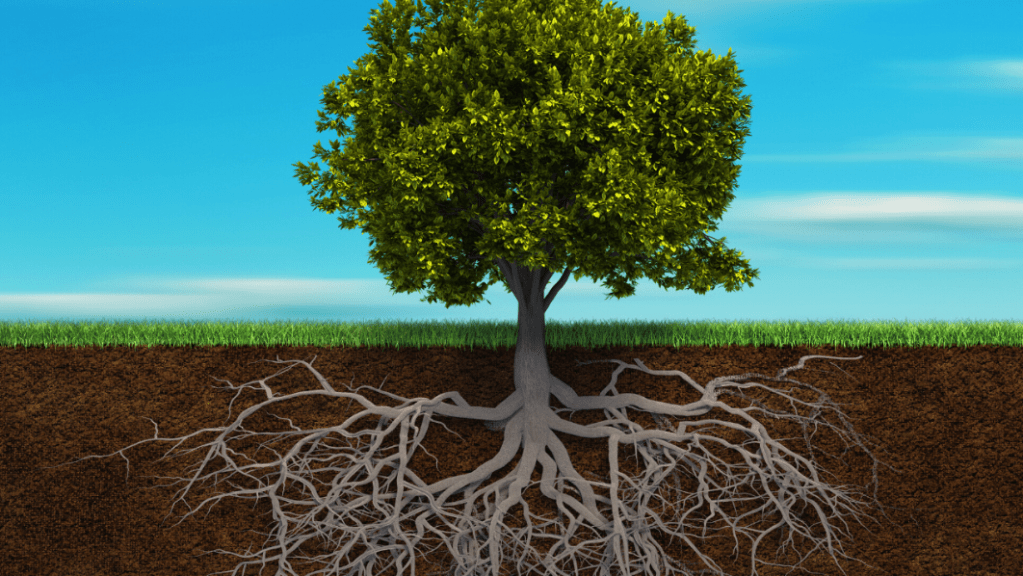
Honorable Harvest
A few weeks ago, I finally got around to reading Braiding Sweetgrass, a memoir that had been on my shelf for a while. In this lyrical blend of science and Indigenous wisdom, Robin Wall Kimmerer offers a perspective on how to live in reciprocal relationship with the land. She describes the Honorable Harvest, a set of Indigenous principles for taking from the Earth in a way that sustains life rather than depletes it.
These principles include:
- asking permission before taking
- taking only what is needed
- taking only what is given freely
- using what we take with respect
- giving thanks
- giving something back
- sustaining the relationship
When I read this, something clicked. I realized this is how I most enjoy approaching storytelling — not as extraction, but as stewardship.

My years in newsrooms shaped my skills, ethics and discipline, but my path has evolved. I’m learning that when speed and depth are in competition, I prefer to choose depth.


Leave a Reply