


When I was in my early 20s, one of the highlights of my week was when the Orlando Sentinel‘s Sunday edition, as thick and heavy as a phone book, landed with a thud on my doormat. I had no ties to Orlando at the time. I didn’t live there, had never lived there, and knew no one there. I was in Gainesville, about 100 miles to the northwest, reinventing myself as a journalist after some confused meandering through my post-college years.
My splurge on a Sunday Sentinel subscription — the nearest large metro paper — was part of the new identity that excited me. I was a budding journalist. I had moved to this college town to work toward a master’s degree in journalism at the University of Florida. I also reported and edited for The Alligator, the independent student newspaper, and led Journalism 101 classes as part of a teaching assistantship that paid my tuition.
Each week, I loved reading the big paper slowly, bringing sections to class so I could catch up on stories in between lectures. It was the pre-internet era. The ink stained my fingers, and the feeling of being connected to the world imprinted on my soul.
I had no idea that I would one day work at the Sentinel — not just once, but twice, first during its print-focused era, and later after the newsroom became almost entirely digital-focused.
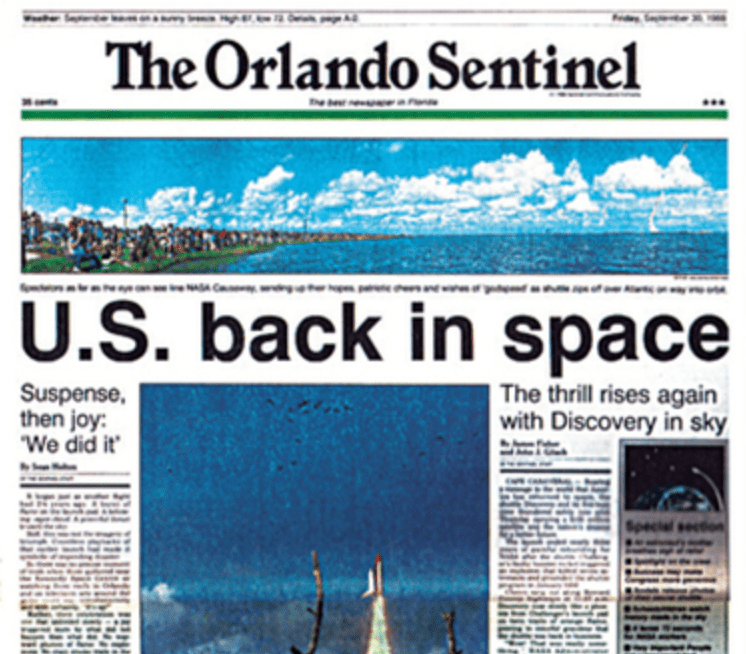
My early years at the newspaper were purely on the print side. I edited stories until late at night, sometimes helped literally cut and paste columns in the composing room downstairs, then walked across a tube-shaped bridge to the deafening printing press, a different and magical world. My final task every evening was to grab one of the first few papers off the conveyer belt and make sure the big headlines were spelled right.
A few years later, I embraced the digital shift enthusiastically. After I moved and began working for another newspaper, the Palm Beach Post, I volunteered to be part of the still-emerging web operation. Crammed into a closet-sized room with the rest of the small web team, I learned HTML, content management systems, blogging, social media, multimedia storytelling and more.
The work came easily to me, and I thrived. Before long, I became a newsroom-wide trainer, helping more traditional, print-focused colleagues to learn digital tools and platforms. Later, I helped build some of the earliest newsroom systems to leverage social media algorithms and the mechanics of virality.

For many years, the pace and innovation felt exhilarating. But by around 2010, the work had become much faster and more compressed. The industry-wide shift toward constant responsiveness left less room (it seemed) for reflection, relationship or follow-through.
Having mastered the “how” of digital growth, I found myself increasingly concerned with the “why” — not just what stories performed well, but what they meant and whom they truly served.
What had once felt dynamic started to feel frantic, like a powerful sports car without brakes. I watched from the inside as newsrooms became increasingly beholden to clicks, metrics and social platforms we didn’t control.

Still, when I rejoined the Orlando Sentinel in 2015, I did so in a purely digital role. I served as social media manager, then shifted into a hybrid position spanning audience development, web strategy, reporting and editing. I created and ran the paper’s first paid social media program, trained reporters across beats in audience development strategy, and helped keep the website and social feeds updated throughout the day.
This was already a couple of full time jobs’ worth of work, but I also wrote multiple articles a week — everything from hurricane updates and COVID-19 coverage to politics, environment, crime, and “weird Florida” stories engineered for virality.
I did a little bit of everything. It was demanding work, and I’m proud of what we produced. At the same time, the 24-hour news cycle required a sustained urgency that became harder for me to maintain. Like many journalists, I was navigating tight deadlines, public performance metrics, and constantly shifting priorities.
I found myself longing for stories that unfolded at a more human pace, that engaged more deeply. I knew that neither I nor the media industry was likely to return to the ink-stained days. Yet I also knew my soul longed for stories that could be written — and read — slowly.
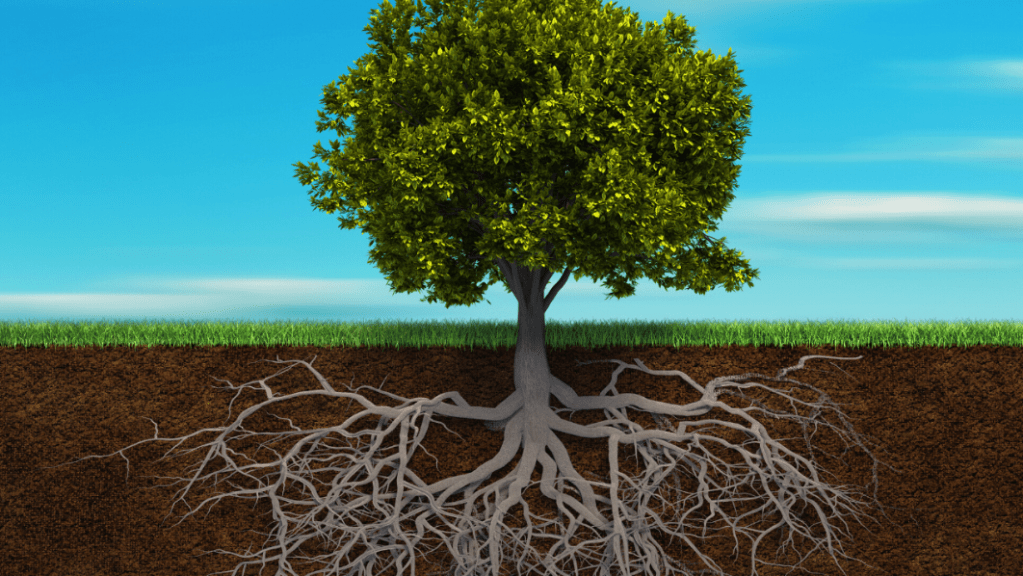
What I eventually realized: There wasn’t anything wrong with journalism that couldn’t be fixed, but different kinds of storytelling require different conditions. Fast, responsive reporting serves a vital public purpose. It also demands a particular rhythm and temperament. But I wanted to shift back to depth.
Honorable Harvest
A few weeks into my post-corporate media life, I finally got around to reading Braiding Sweetgrass, a memoir that had been on my shelf for a while. In this lyrical blend of science and Indigenous wisdom, Robin Wall Kimmerer offers a perspective on how to live in reciprocal relationship with the land. She describes the Honorable Harvest, a set of Indigenous principles for taking from the Earth in a way that sustains life rather than depletes it.
These principles include:
- asking permission before taking
- taking only what is needed
- taking only what is given freely
- using what we take with respect
- giving thanks
- giving something back
- sustaining the relationship
When I read this, something clicked. I realized this is how I want to approach storytelling — not as extraction, but as stewardship.
In practice, this means choosing projects that allow for care and depth rather than clicks. I prioritize the experience of the people I interview. When possible, I spend time with places and communities before writing about them. I stay in relationship after publication, recognizing that a story doesn’t end when it’s published.

My years in newsrooms shaped my skills, ethics and discipline, but my path has evolved. I’m learning that when speed and depth are in tension, I choose depth. I’ve come to understand that metrics alone don’t capture whether a story truly serves the people it involves.
I’m learning that there are organizations, institutions and individuals who want their stories held with care — who value trust, context and long-term impact over momentary attention.
This is who I build my practice for.
If you’re looking for a writer who approaches storytelling as stewardship — who prioritizes depth, relationship, and meaning — I’d love to talk.

 Tiffini Theisen
Leave a comment